How neighbourhood policing focus is meeting community needs
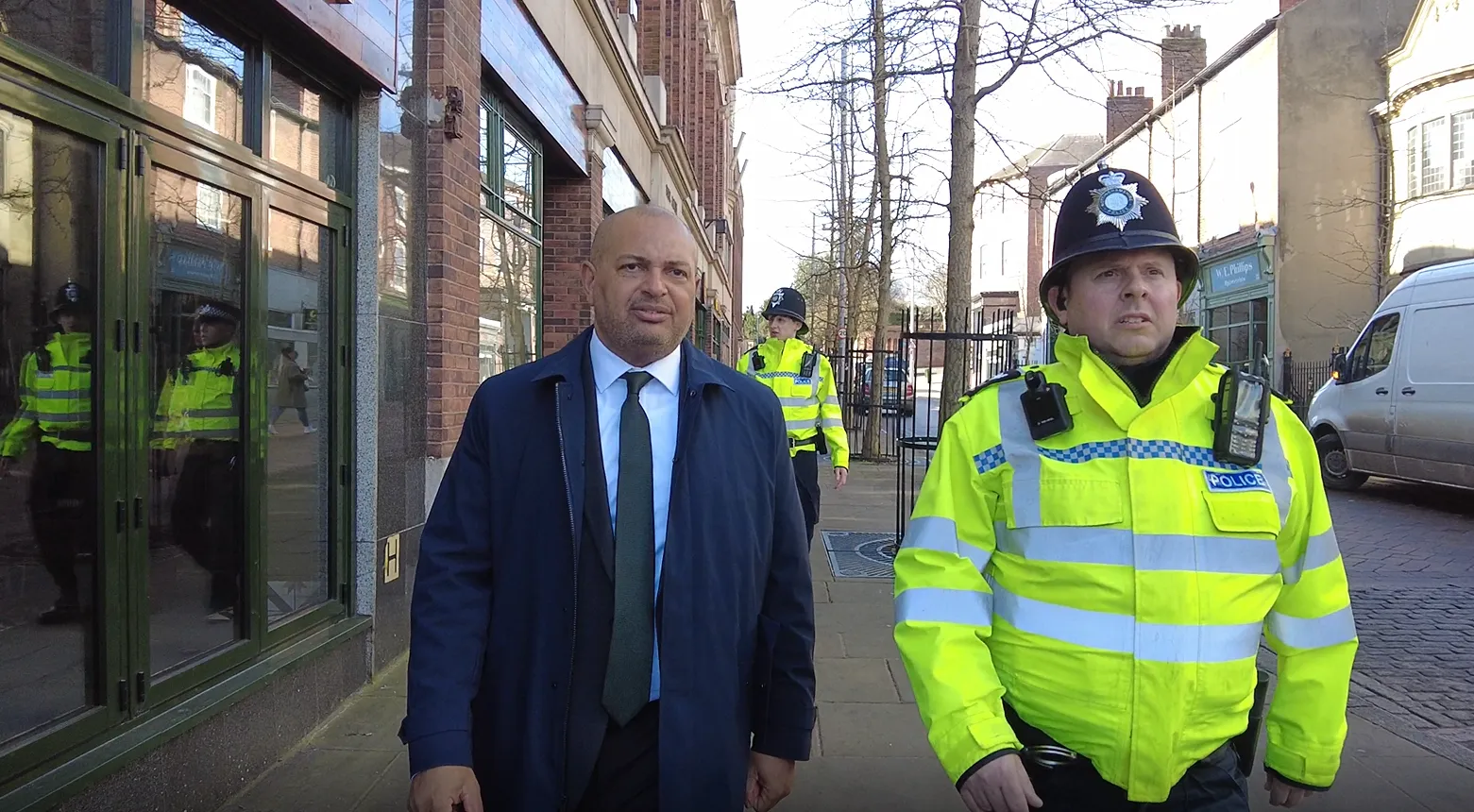
Nottinghamshire Police now has one of the highest proportions of neighbourhood police officers of all forces across England and Wales.
It is one of only four out of 43 forces to have over 10% of its officers in neighbourhood policing roles – dedicated to engaging with the public and building trust and confidence by working with the community to tackle issues that matter most to local people.
Nottinghamshire Police and Crime Commissioner Gary Godden today praised the force’s leadership team for its work to embed a new neighbourhood policing model over the last year, to focus on the three pillars of neighbourhood policing – engagement, targeted activity and problem orientated policing.
The move came ahead of the Government’s announcement around uplifting neighbourhood policing, putting Nottinghamshire ahead of the national curve.
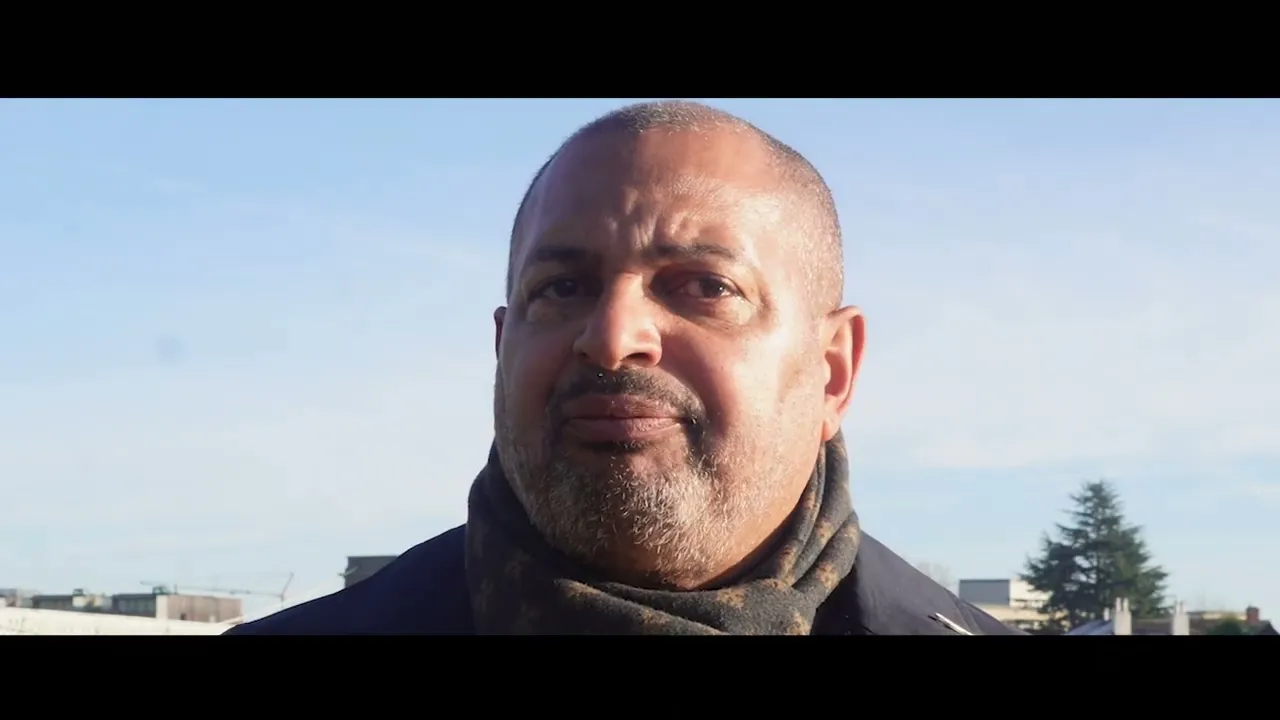
PCC Godden recently went out with the Nottingham South Neighbourhood Policing Team on the streets of The Meadows to see what a difference the new model is making. He met up with PC Logan Grieh to hear how the new policing model has significantly enhanced their ability to respond to local people’s needs.
This includes great successes in acting on community intelligence to rid the neighbourhood of drugs dealers, by taking them to court and evicting them from their homes at the same time.
In response to local concerns, the team also came up with the concept of Operation Wheelspin – a crackdown on car cruising that has been so successful it is now replicated by neighbourhood policing teams force-wide.

PC Grieh explained: “Operation Wheelspin was set up by our team in response to antisocial driving across the Nottingham South area. It is quite resource intensive. It involves putting plain clothes officers and marked resources out every evening to combat that one problem.
“Before the shift pattern change and the officer uplift that came with the new neighbourhood policing model, we wouldn’t have had those officers available on shift to do it.”
Under the operation, positive action has so far been taken against around 200 drivers across the force, which can include seizing vehicles, reporting motorists for court summons, or issuing traffic offence reports and Section 59 Notices.
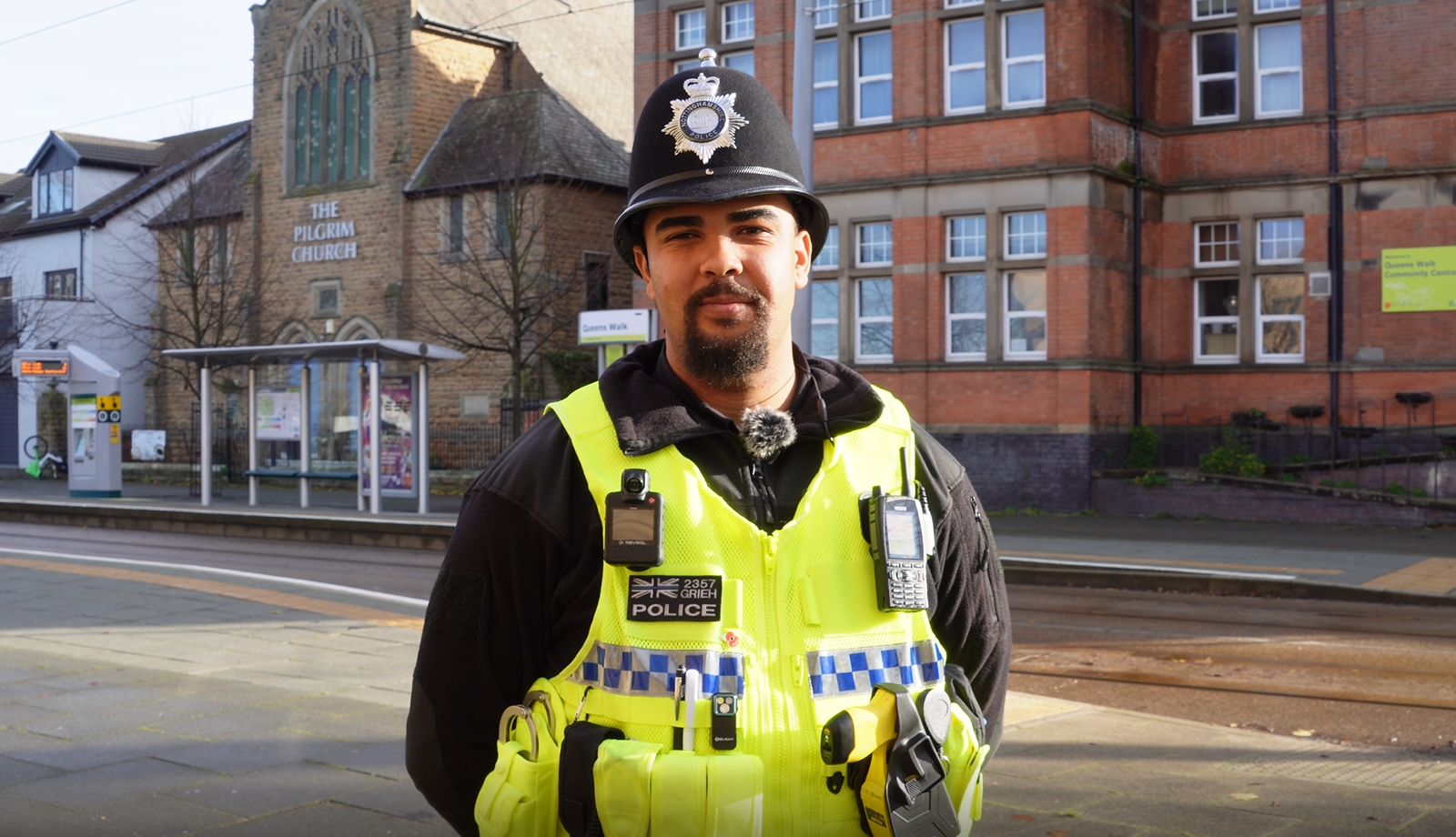
PC Grieh added that the new neighbourhood policing model had also allowed the team to respond more effectively to local residents’ concerns about drug dealing and associated antisocial behaviour.
“When there’s dealing hotspots that are known, it also causes antisocial behaviour,” he said. “It is attracted to the locations and they become areas where residents don’t want to be.
“We are now managing to prevent these hotspots because we are always there at the first signs they are being targeted. People are now more willing to give us information because they are confident we will act on it.
“If you ring the police and say someone is dealing and it carries on for six months you will lose faith, but we are responding to what people tell us and working with the council and housing associations to evict dealers at the same time as prosecuting through the courts – so the problem doesn’t come straight back. When you go onto the streets now people are saying it is way better than it used to be.”
Earlier this year, the Home Office visited Nottinghamshire to learn more about the implementation of the new neighbourhood policing model and the Policing Minister Dame Diana Johnson said the force had delivered “outstanding results.”
Neighbourhood policing was also critical to a recent operation in the city centre, in response to a machete incident, as it enabled the force to put in place an operation involving targeted activity, community engagement and reassurance and problem-orientated policing approaches.
PCC Godden said the work happening in The Meadows and the city demonstrated how his Police and Crime Plan objectives to enhance neighbourhood policing and put communities and victims first was being put into practice.
“Neighbourhood policing was one of my key priorities when I started in my role as Police and Crime Commissioner as I believe it vital to improving public trust and confidence in policing,” said PCC Godden.
“The new neighbourhood policing model was rolled out just over a year ago, which brought a new rota system and abstraction policy which protected neighbourhood police officers’ time to be spent in their communities. It means they are now able to be in the right place at the right time to engage with communities and work with them to tackle issues that matter most to local people.
“I’m really proud that we now have one of the highest proportions of neighbourhood police officers of any force in the country, and the work here in The Meadows is just one example of how we are seeing some great benefits on our streets.
“There is no one-size-fits-all model when it comes to neighbourhood policing. Each of the 12 neighbourhood policing areas in Nottinghamshire has different issues at different times. But our neighbourhood policing teams and now better equipped than ever to work more closely with communities and respond to their unique community needs.”